
Spine, Back Pain & Sciatica Care
Clinical diagnosis, posture correction, conservative medication, and physical therapy for chronic neck and lumbar spine pain.
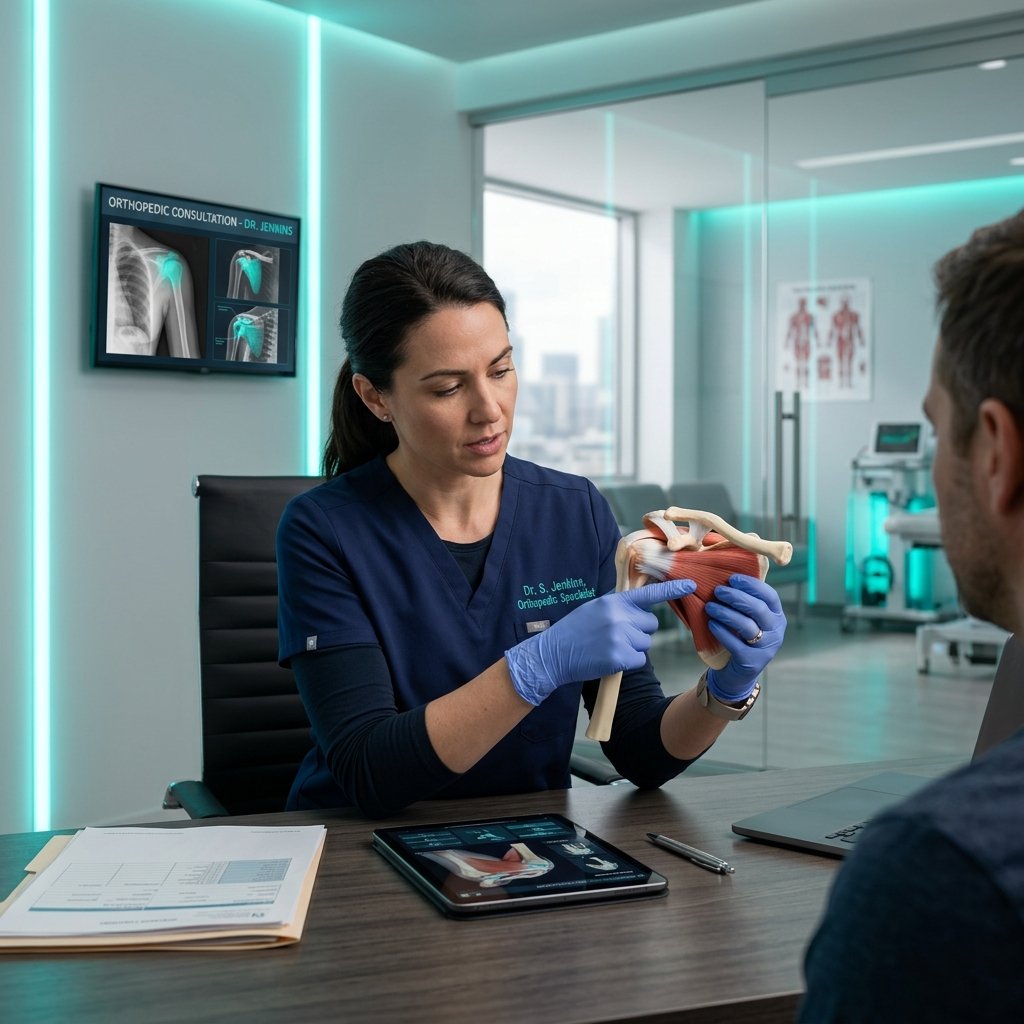
Clinical Evaluation & Treatment Overview
Clinical Focus: Spinal conditions, lower back pain, cervical spondylosis, and sciatica can cause debilitating pain that radiates into the legs or arms, impairing everyday activities and desk work. At Karthikeya Speciality Clinics, Dr. Rajender Reddy provides precision diagnostic evaluation, non-surgical spinal decompression, nerve root targeted therapies, and structured rehabilitation for rapid pain relief in Bachupally, Hyderabad.
Understanding Back Pain & Sciatica
Sciatica refers to pain radiating along the path of the sciatic nerve—branching from your lower back through your hips and buttocks down each leg. It most commonly occurs when a herniated disc, bone spur (osteophyte), or spinal canal narrowing (spinal stenosis) compresses part of the lumbar nerve root, causing inflammation, pain, and numbness.
Common Symptoms & Red Flags
- Radiating Leg Pain (Radiculopathy): Sharp, burning, or electric-shock-like pain shooting from the buttock down the back of the thigh and calf into the foot.
- Cervical Radiculopathy: Neck stiffness radiating into the shoulder blade, arm, and fingers, accompanied by tingling or numbness.
- Paresthesia & Numbness: Loss of sensation or "pins and needles" in specific dermatomal zones of the foot or leg.
- Muscle Weakness: Difficulty lifting the front of the foot while walking ("foot drop") or weakness in the knee/ankle.
- Postural Pain: Pain provoked by prolonged desk sitting, forward bending, lifting weights, or coughing/sneezing.
Diagnostic Spine Workup
Detailed Neurological Exam
Testing motor power, deep tendon reflexes (patellar and Achilles), sensory dermatomes, and Straight Leg Raise (SLR) nerve tension tests.
Digital Dynamic Spine X-Rays
Flexion-extension radiograms to detect vertebral slippage (spondylolisthesis), loss of disc height, and osteophyte formation.
Spine MRI Evaluation
Gold-standard imaging to visualize disc herniations, spinal canal dimensions, and the exact degree of nerve root impingement.
Non-Surgical Spine Treatment Protocols
- Acute Pain & Inflammation Control: Short-term multimodal pain relief using targeted neurotropic medications (Pregabalin/Gabapentin) and muscle relaxants.
- Targeted Spinal Nerve Injections: Epidural steroid injections or transforaminal nerve root blocks to rapidly extinguish nerve inflammation in severe radiculopathy.
- Core Stabilization Physiotherapy: Strengthening deep spinal stabilizers (multifidus, transversus abdominis) to decompress the intervertebral discs.
- Ergonomic & Postural Re-Education: Lumbar support positioning, workplace workstation modifications, and proper lifting mechanics.
- Surgical Decompression Referral: Microdiscectomy or minimally invasive decompression considered only when progressive neurological deficit or cauda equina signs appear.
Why Choose Karthikeya Speciality Clinics
- Conservative-First Care: Focused on helping patients recover without unnecessary spinal surgery.
- Precise Neurological Evaluation: Meticulous clinical testing to pinpoint the exact nerve root causing your symptoms.
- Fast Pain Relief Protocols: In-house pharmacy dispensing neurotropic medications and pain relief formulas immediately.
- Long-Term Prevention Focus: Guidance on spine ergonomics, back strengthening, and postural correction.