
Osteoporosis & Bone Health Management
Bone mineral density assessment, calcium & Vitamin D optimization, and fracture prevention for elderly and women.
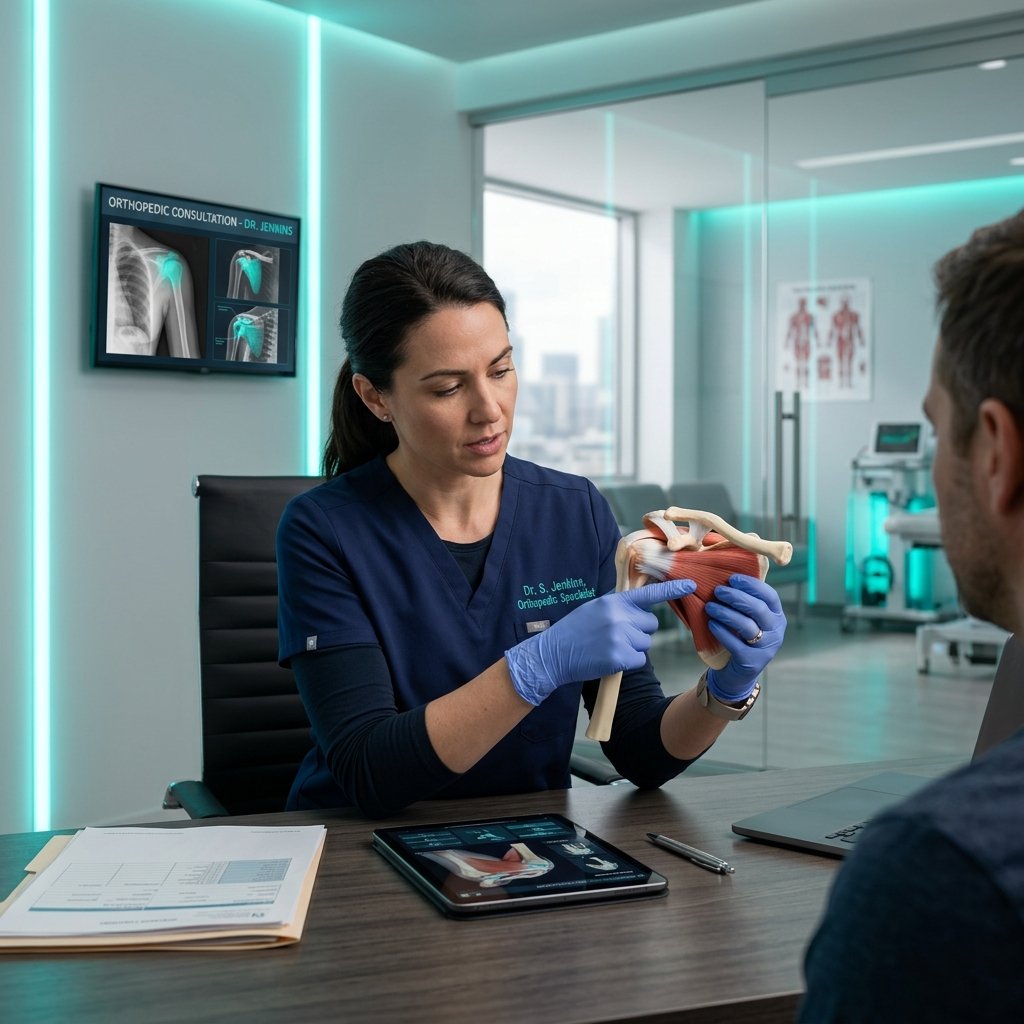
Clinical Evaluation & Treatment Overview
Clinical Focus: Osteoporosis is a silent, progressive skeletal disorder characterized by reduced bone mineral density and microarchitectural deterioration, leaving bones fragile and susceptible to fractures from trivial trauma. At Karthikeya Speciality Clinics, Dr. Rajender Reddy provides comprehensive bone health screenings, DEXA scan interpretation, and modern anti-resorptive and anabolic therapies in Bachupally, Hyderabad.
The "Silent Epidemic" of Bone Fragility
Osteoporosis progresses without outward warning signs until a minor fall or sneeze causes a fragility fracture—most commonly in the hip, spine (vertebral compression fracture), or wrist (Colles fracture). Post-menopausal women and elderly men are at highest risk due to age-related bone loss and estrogen deficiency.
Risk Factors for Osteoporosis
- Postmenopausal Estrogen Decline: Rapid bone density loss during the first 5–7 years following natural or surgical menopause.
- Nutritional Deficiencies: Chronic calcium, Vitamin D3, and protein deficits common in urban indoor lifestyles.
- Prolonged Glucocorticoid (Steroid) Use: High doses of steroids for asthma, rheumatoid arthritis, or skin conditions impairing bone remodeling.
- Endocrine Conditions: Hyperthyroidism, hyperparathyroidism, and chronic type 1 or type 2 diabetes mellitus.
- Sedentary Lifestyle & Family History: Lack of regular weight-bearing exercise, thin body frame (BMI < 19), or maternal history of hip fracture.
Bone Health Diagnostic Screening
DEXA Bone Mineral Densitometry
Dual-energy X-ray absorptiometry measuring T-scores at the lumbar spine, femoral neck, and total hip according to WHO diagnostic standards.
Serum Bone Turnover Markers
Evaluation of serum 25-OH Vitamin D3, ionic Calcium, intact PTH, and alkaline phosphatase to understand individual remodeling rates.
FRAX 10-Year Fracture Risk Score
Utilizing validated clinical fracture risk assessment algorithms to determine the necessity of prescription medical therapy.
Evidence-Based Therapeutic Approaches
- High-Dose Vitamin D3 & Bioavailable Calcium: Replenishing skeletal stores with clinical cholecalciferol regimens and calcium citrate malate.
- Anti-Resorptive Therapies (Bisphosphonates): Oral or annual intravenous zoledronic acid infusions to halt excessive osteoclastic bone breakdown.
- Anabolic Bone-Building Agents: Daily subcutaneous Teriparatide (recombinant PTH) for high-risk patients with severe osteoporosis or prior vertebral fractures.
- Fall Prevention Strategies: Home environment safety audits, correcting vision, and balance-enhancing physical therapy for elderly seniors.
Why Choose Karthikeya Speciality Clinics
- Dedicated Bone Health Clinic: Proactive fracture prevention led by Dr. Rajender Reddy in Bachupally.
- Precision DEXA Correlation: In-depth explanation of your T-scores and customized medical plans rather than generic supplements.
- Advanced Medical Formulations: Full in-house pharmacy stocking injectable and oral anti-osteoporotic medications.
- Holistic Senior Care: Multidisciplinary coordination with General Medicine and Diabetology to support healthy aging.