
Tonsillitis, Adenoids & Voice Disorders
Diagnostic throat endoscopy, medical management for recurrent infections, and voice rest therapy under Dr. Shravya.
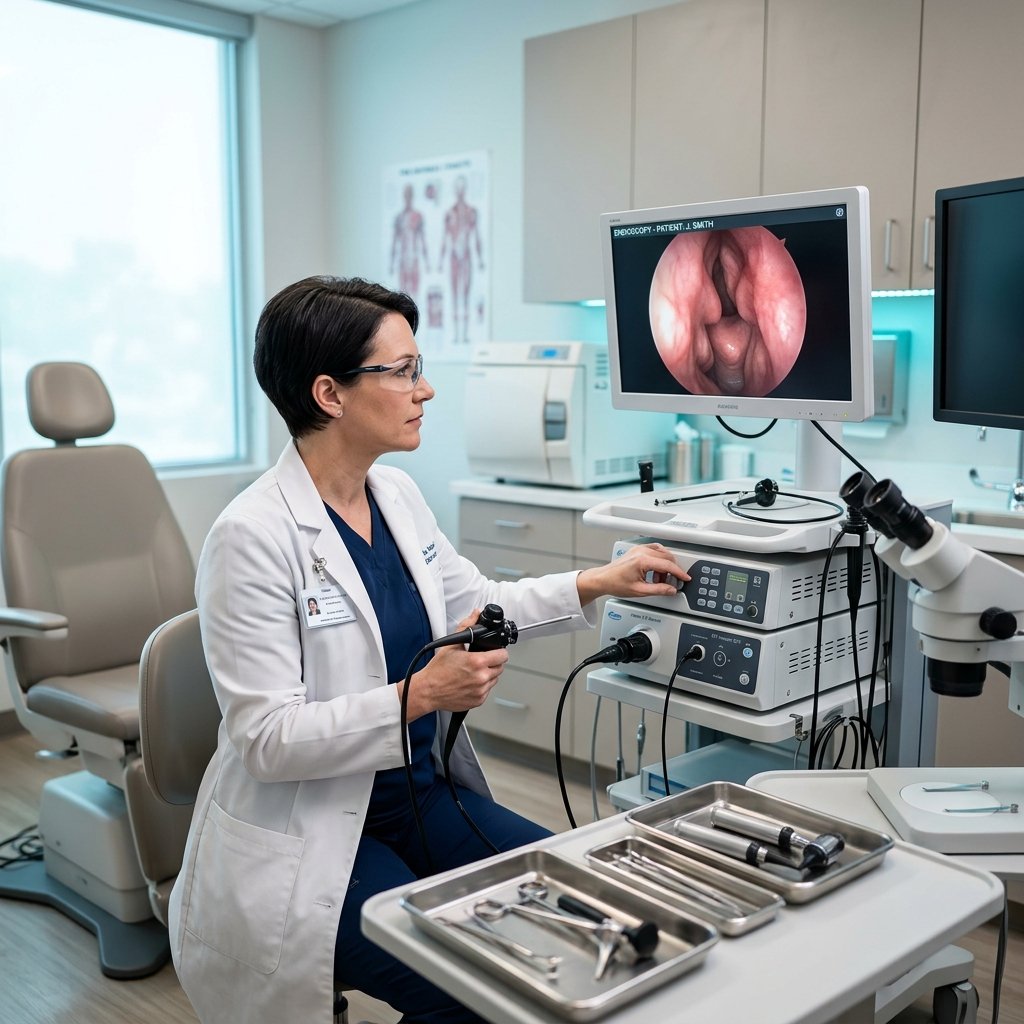
Clinical Evaluation & Treatment Overview
Clinical Focus: Recurrent throat infections, enlarged adenoids, and persistent voice changes can significantly impair breathing, swallowing, speech clarity, and overall wellbeing in both children and adults. At Karthikeya Speciality Clinics, Dr. Shravya (Consultant ENT Specialist, Mamatha Academy of Medical Sciences) provides comprehensive diagnostic evaluations, video laryngoscopy, medical therapy, and surgical interventions in Bachupally, Hyderabad.
Understanding Pharyngeal & Laryngeal Disorders
The tonsils and adenoids are specialized lymphoid tissues forming Waldeyer's ring, functioning as the first immunological line of defense. However, recurrent bacterial infections, persistent hypertrophy, or chronic vocal cord strain can turn these protective tissues into sources of airway obstruction, chronic fevers, or vocal impairment.
Conditions Managed at Our ENT Clinic
- Recurrent Acute Tonsillitis: Frequent episodes of severe sore throat, painful swallowing (odynophagia), high fever, and tonsillar exudates.
- Adenoid Hypertrophy in Children: Chronic mouth breathing, loud snoring, nasal congestion, and associated recurrent middle ear infections (otitis media with effusion).
- Chronic Tonsillitis & Tonsilloliths: Persistent bad breath (halitosis), throat tickling, and chronic tonsil stone formation.
- Hoarseness of Voice (Dysphonia): Vocal cord nodules ("singer's nodes"), polyps, cysts, or vocal cord edema from chronic acid reflux or vocal strain.
- Laryngopharyngeal Reflux (LPR): "Silent reflux" causing chronic throat clearing, sensation of a lump in the throat (globus pharyngeus), and chronic cough.
Diagnostic ENT Evaluation
Fiberoptic Nasopharyngolaryngoscopy
Gentle high-definition flexible endoscopic visualization of adenoids, pharynx, vocal cords, and airway patency in our outpatient clinic.
Digital Throat & Neck Radiographs
Soft tissue lateral neck X-rays to assess adenoid-nasopharyngeal ratio and airway compromise in pediatric patients.
Stroboscopic Voice Assessment
Evaluation of vocal cord mucosal wave dynamics to distinguish benign vocal nodules from polyps or structural cord lesions.
Stepwise Clinical Treatment Approaches
- Conservative Antibiotic & Anti-Inflammatory Protocols: Culture-directed antibiotics, anti-edema regimens, and oral hygiene gargles for acute episodes.
- LPR & Acid Suppression Therapy: Proton pump inhibitors, dietary modifications, and antireflux lifestyle changes to heal inflamed vocal cord mucosa.
- Voice Therapy & Vocal Hygiene: Speech therapy and vocal training for teachers, singers, and professionals to resolve early vocal cord nodules non-surgically.
- Coblation Adenotonsillectomy: Modern, minimally invasive cold ablation tonsil and adenoid removal with minimal bleeding and faster pediatric recovery.
- Microlaryngeal Surgery (MLS): Precision microscopic surgical excision for non-resolving vocal cord polyps or cysts under general anesthesia.
Why Choose Karthikeya Speciality Clinics
- Dedicated ENT Specialist: Dr. Shravya provides gentle, patient-friendly consultations with special care for nervous pediatric patients.
- Advanced Video Endoscopy: In-clinic flexible fiberoptic endoscopy allowing patients to see and understand their airway condition.
- Conservative Medical Approach: Surgery is recommended only when medical therapy and vocal rehabilitation have proven insufficient.
- In-House Pharmacy Support: All prescribed pediatric ENT syrups, antibiotics, nasal sprays, and voice lozenges readily available.