
Pediatric ENT & Snoring / Sleep Apnea
Gentle pediatric ENT care, foreign body removal, childhood ear infections, and airway evaluation.
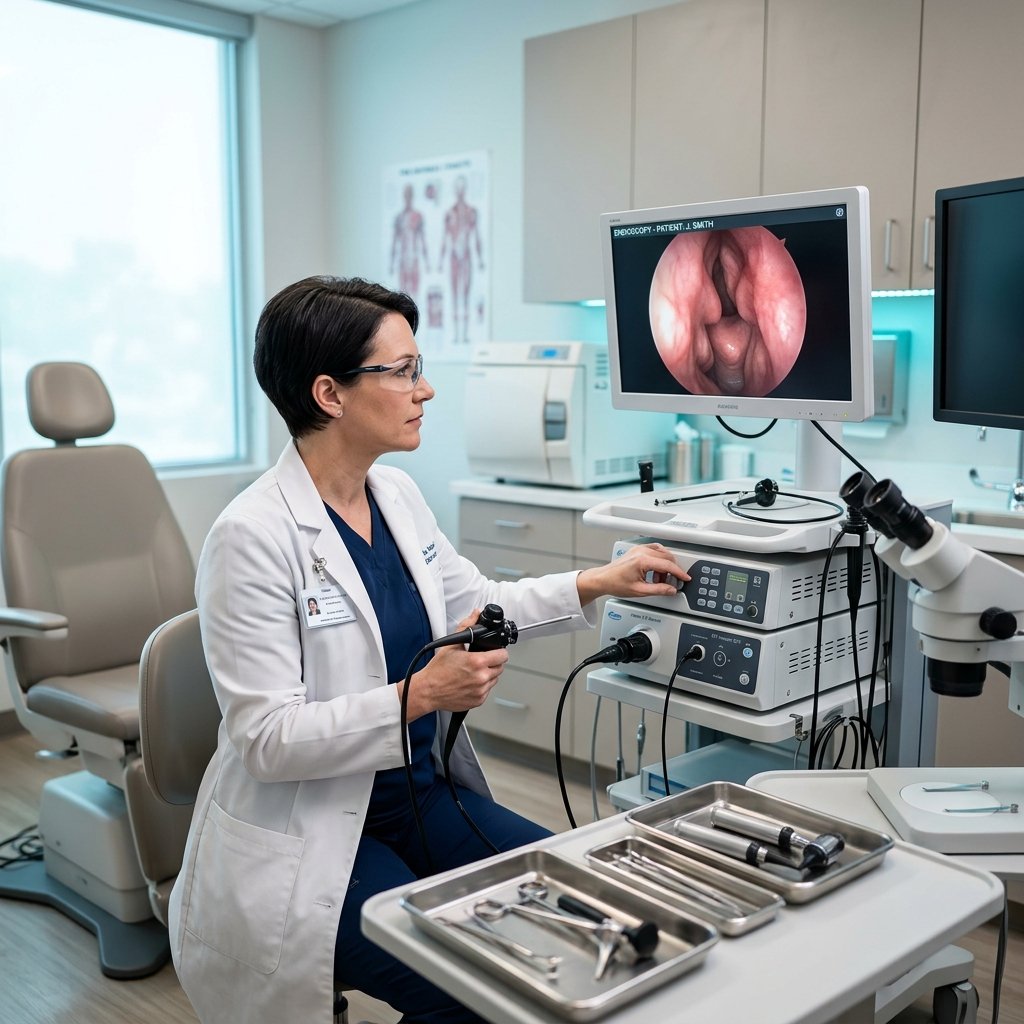
Clinical Evaluation & Treatment Overview
Clinical Focus: Pediatric snoring, constant mouth breathing, restless sleep, and recurrent ear infections are often dismissed as simple colds, but can signify obstructive sleep apnea (OSA) caused by enlarged adenoids and tonsils. At Karthikeya Speciality Clinics in Bachupally, Hyderabad, Dr. Shravya provides gentle, pediatric-centric ENT evaluations to safeguard your child's sleep, cognitive development, facial growth, and hearing.
Understanding Pediatric Obstructive Sleep Apnea
Unlike adults who typically snore due to airway tissue laxity or weight, children experience obstructive sleep-disordered breathing primarily because of adenoid and tonsillar hypertrophy relative to their smaller craniofacial airway dimensions. Chronic airway obstruction forces mouth breathing, which can alter facial jaw development ("adenoid facies") and cause daytime behavioral and concentration issues.
Symptoms to Watch For in Your Child
- Nighttime Snoring & Pauses in Breathing: Loud breathing, gasping, choking spells, or silent pauses followed by a snort during sleep.
- Restless Sleep & Unusual Sleep Positions: Sleeping with the neck hyperextended, frequent tossing and turning, or frequent nighttime awakenings.
- Secondary Nocturnal Enuresis: New-onset or persistent bedwetting in a previously toilet-trained child caused by sleep fragmentation and pressure changes.
- Daytime Mouth Breathing: Dry lips, constant open-mouth posture, chronic runny nose, and nasal speech quality (hyponasality).
- Daytime Hyperactivity or Fatigue: Irritability, morning headaches, difficulty focusing at school, often mimicking ADHD symptoms.
- Recurrent Ear Pain & Hearing Muffled: Enlarged adenoids blocking the Eustachian tube, causing fluid in the middle ear (glue ear) and hearing loss.
Pediatric Diagnostic Assessment
Gentle Video Otoscopy
Examining the eardrums for middle ear fluid (glue ear) or retracted tympanic membranes secondary to Eustachian tube obstruction.
Soft-Tissue Nasopharyngeal X-Ray
Painless lateral skull radiograph to accurately measure adenoid size and the degree of airway space narrowing without distressing the child.
Tympanometry (Middle Ear Impedance)
Fast, non-invasive assessment of middle ear pressure and ear drum compliance to detect hidden conductive hearing loss.
Gentle Treatment Pathways for Children
- Anti-Inflammatory Medical Therapy: Short courses of pediatric nasal corticosteroid sprays and montelukast to shrink mildly inflamed adenoid lymphoid tissue and reduce allergic rhinitis.
- Eustachian Tube & Allergy Management: Identifying environmental triggers, nasal saline flushes, and antihistamines to treat underlying allergic triggers.
- Coblation Adenoidectomy & Tonsillectomy: When severe obstruction causes true sleep apnea or glue ear, low-temperature coblation removes the obstruction with minimal discomfort and rapid recovery.
- Grommet (Ventilation Tube) Placement: Tiny, painless ear tubes inserted to drain middle ear fluid, restore normal hearing, and prevent speech delay.
Why Choose Karthikeya Speciality Clinics
- Gentle Pediatric Touch: Dr. Shravya is known for her patient, friendly approach that puts young children and parents at ease.
- Non-Surgical Focus First: Prioritizing medical allergy and anti-inflammatory therapy before considering any surgical procedures.
- Comprehensive Airway & Hearing Care: Simultaneous assessment of sleep quality, dental alignment risks, and hearing health.
- Convenient Location & Pharmacy: Child-friendly waiting area and full pharmacy stocking all pediatric syrups and drops in Bachupally.